
FUNDAMENTALS · INTERMEDIATE · ADVANCED
MODERN TRAINING.
FASTER SKILL DEVELOPMENT.
Structured Brazilian Jiu Jitsu training for students who want to understand the sport, build dependable skills, and make measurable progress.
THE CORVUS TRAINING MODEL
ONE SYSTEM. TWO LEVELS OF TRAINING.
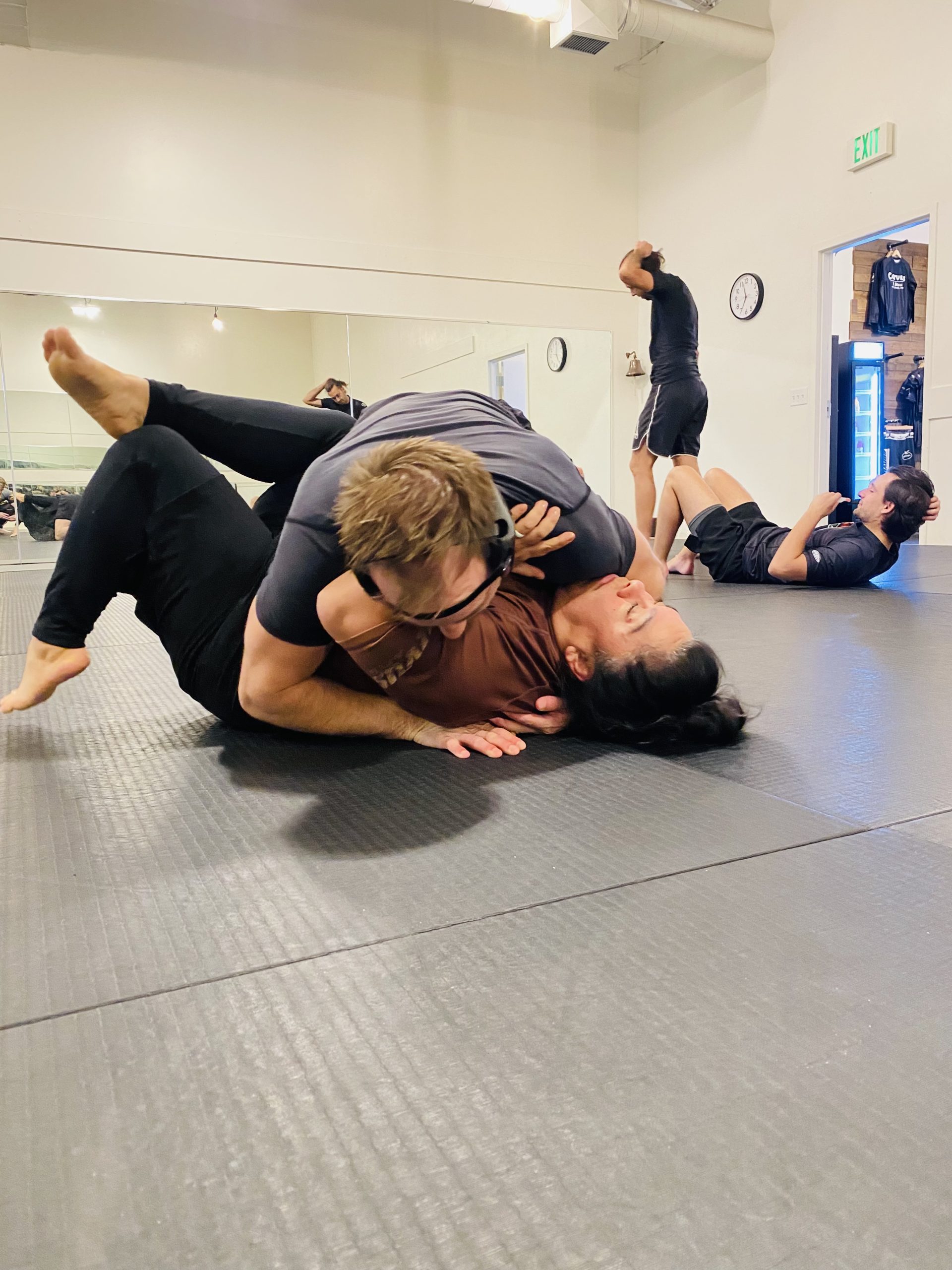
Corvus classes are organized around one central goal: helping students develop usable Brazilian Jiu Jitsu skills as efficiently as possible.
We combine systematic technical instruction with ecological and constraints-led training. Students learn the purpose and essential mechanics of a technique, then develop the timing, adaptability, and decision-making needed to apply it against genuine resistance.
WHITE & BLUE BELTS
FUNDAMENTAL
CLASSES.
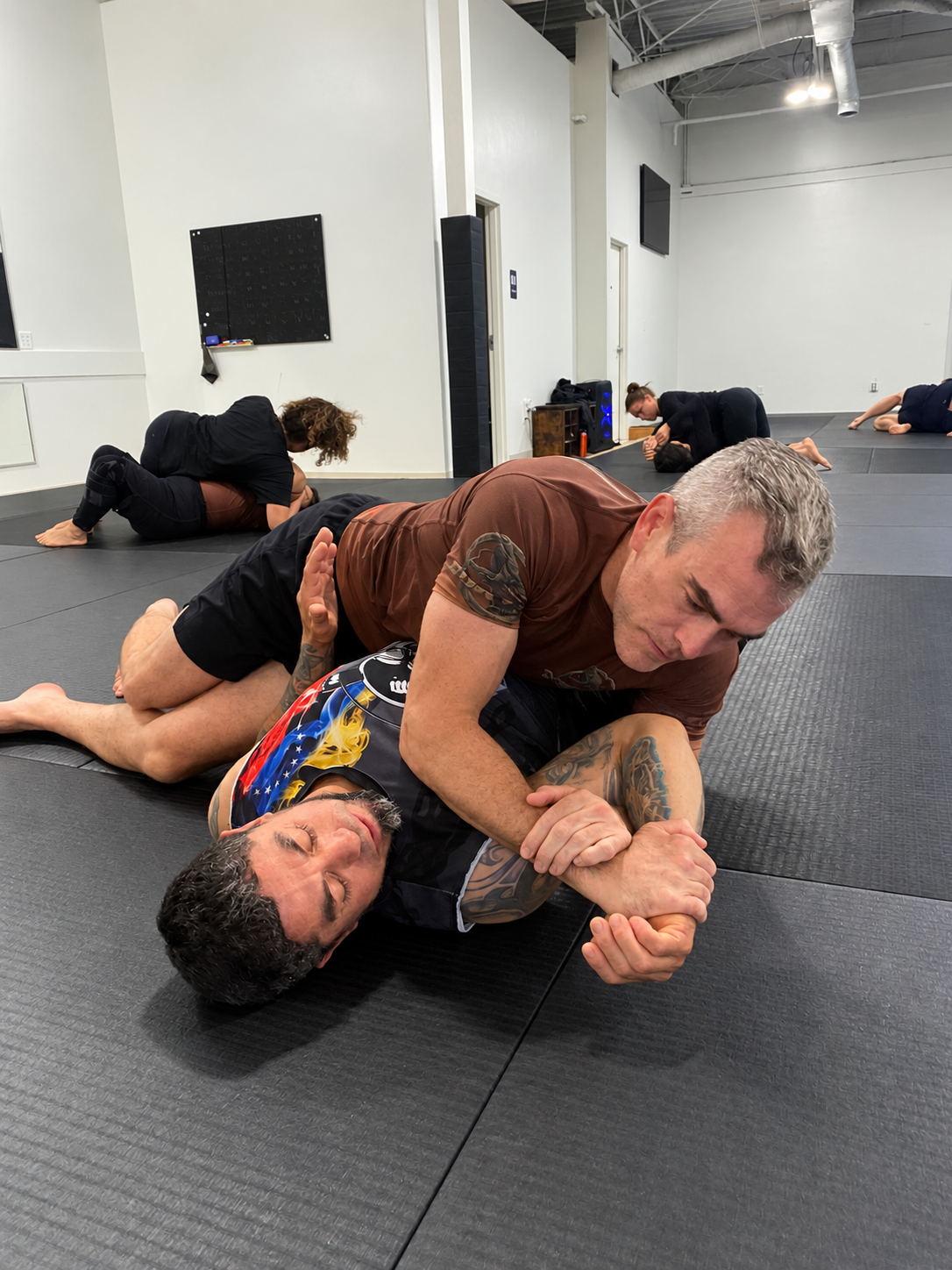
Fundamentals are not merely “beginner moves.” They are the essential positions, movements, concepts, and techniques that successful grapplers continue refining throughout their entire training careers.
Inspired by the systematic approach associated with John Danaher, we teach techniques as parts of connected systems—not isolated moves. Students learn the objective, the likely reactions, the available follow-ups, and how to transition when the first option fails.
We combine that structure with ecological and constraints-led practice. Carefully designed situations, clear goals, and appropriate resistance turn technical knowledge into functional skill.
A FOUNDATION FOR YOUR ENTIRE GAME.
- Positional control and escapes
- Guard retention, recovery, and passing
- Standing skills and takedowns
- Submission offense and defense
- Grip fighting, posture, pressure, and connection
- Linking techniques into complete systems
- Gi and No-Gi Fundamentals available
ADVANCED WHITE BELTS & UP
INTERMEDIATE /
ADVANCED.
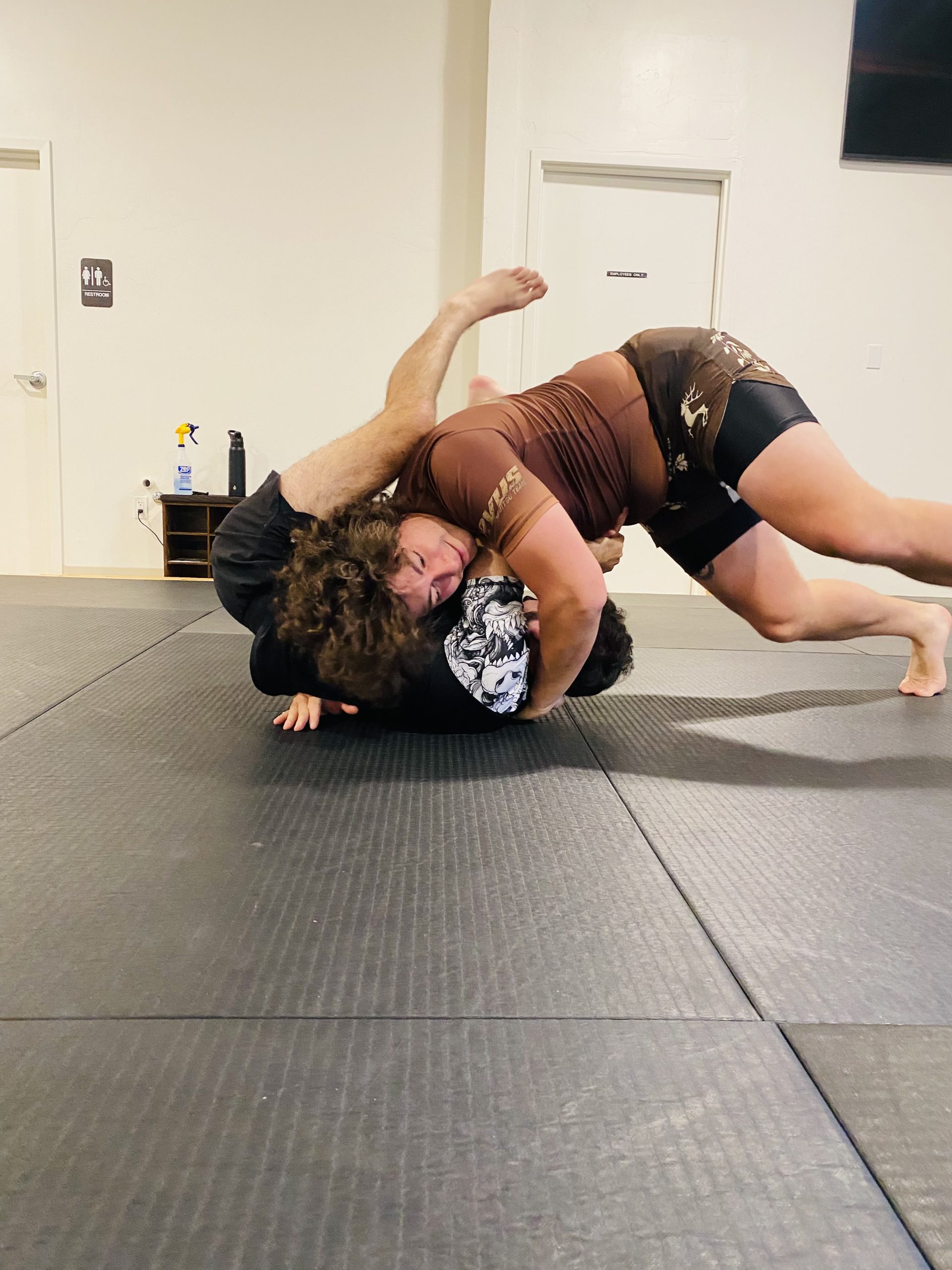
These classes build upon the positions, movements, and decision-making developed in Fundamentals. Students work with more complex positional systems, interconnected attacks, and faster-paced resistance.
Our curriculum studies modern developments associated with influential coaches and competitors—including John Danaher, Dima Murovanni, Gordon Ryan, the Kingsway team, Craig Jones, and other leading practitioners—then integrates useful ideas into a coherent Corvus system.
- Advanced positional and submission systems
- Modern guard and passing strategies
- Leg-entanglement offense and defense
- Wrestling and standing transitions
- Tactical decision-making and competition preparation
WHY OUR STUDENTS DEVELOP FASTER
A SYSTEMATIC APPROACH PRODUCES
SYSTEMATIC PROGRESS.
Compare a conventional class structure with the Corvus training model.
CONVENTIONAL STRUCTURE
01 · TECHNIQUES IN ISOLATION
Students often encounter this without enough connection, repetition, or context.
02 · BASIC VERSIONS THAT FAIL UNDER RESISTANCE
Students often encounter this without enough connection, repetition, or context.
03 · A NEW TOPIC EVERY CLASS
Students often encounter this without enough connection, repetition, or context.
04 · LITTLE REPETITION BETWEEN CLASSES
Students often encounter this without enough connection, repetition, or context.
05 · MOVES WITHOUT THE TACTICAL PICTURE
Students often encounter this without enough connection, repetition, or context.
06 · ONE OR TWO TECHNIQUES
Students often encounter this without enough connection, repetition, or context.
07 · HOW TO DO IT—BUT NOT WHEN
Students often encounter this without enough connection, repetition, or context.
08 · SLOW, RANDOM PROGRESS
Students often encounter this without enough connection, repetition, or context.
THE CORVUS APPROACH
01 · WORK IN COMPLETE SYSTEMS
Complete systems with follow-ups, counters, tactical choices, and transitions into related systems.
02 · MECHANICS THAT HOLD UP
Reliable finishing mechanics—with explanations of why they work and how to adapt when an opponent resists.
03 · TIME TO BUILD THE SKILL
Up to four weeks on important positions and systems, allowing time to understand, troubleshoot, and develop real skill.
04 · PLANNED REPETITION
Short-term repetition throughout each block, plus long-term repetition when key topics return later.
05 · UNDERSTAND THE BIGGER PICTURE
Clear guidance about where each technique fits, what problem it solves, and what to do when the situation changes.
06 · MULTIPLE CONNECTED ANSWERS
Connected offensive and defensive systems that provide answers to the opponent’s common reactions.
07 · KNOW WHEN TO USE IT
Practice recognizing the conditions that make each option appropriate and choosing between them in real time.
08 · DEVELOP FASTER
Faster development through concise explanations, structured positional training, constraints-led games, and appropriate resistance.
GI TRAINING
PRECISION, GRIPS
& LAYERED CONTROL.
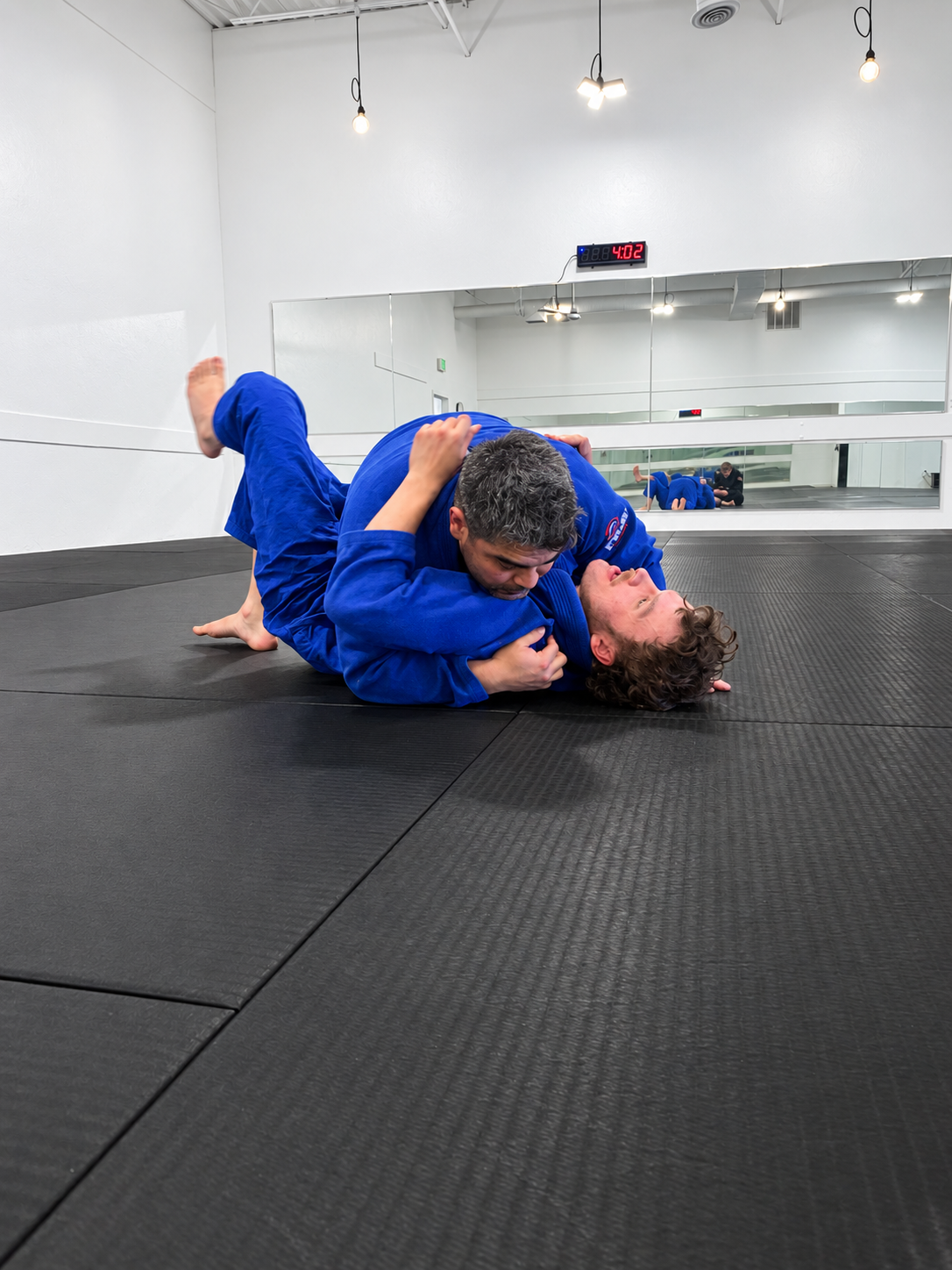
The gi adds gripping and control opportunities that encourage patient escapes, precise posture, pressure, grip management, and layered positional control.
NO-GI TRAINING
MOVEMENT, WRESTLING
& BODY POSITION.
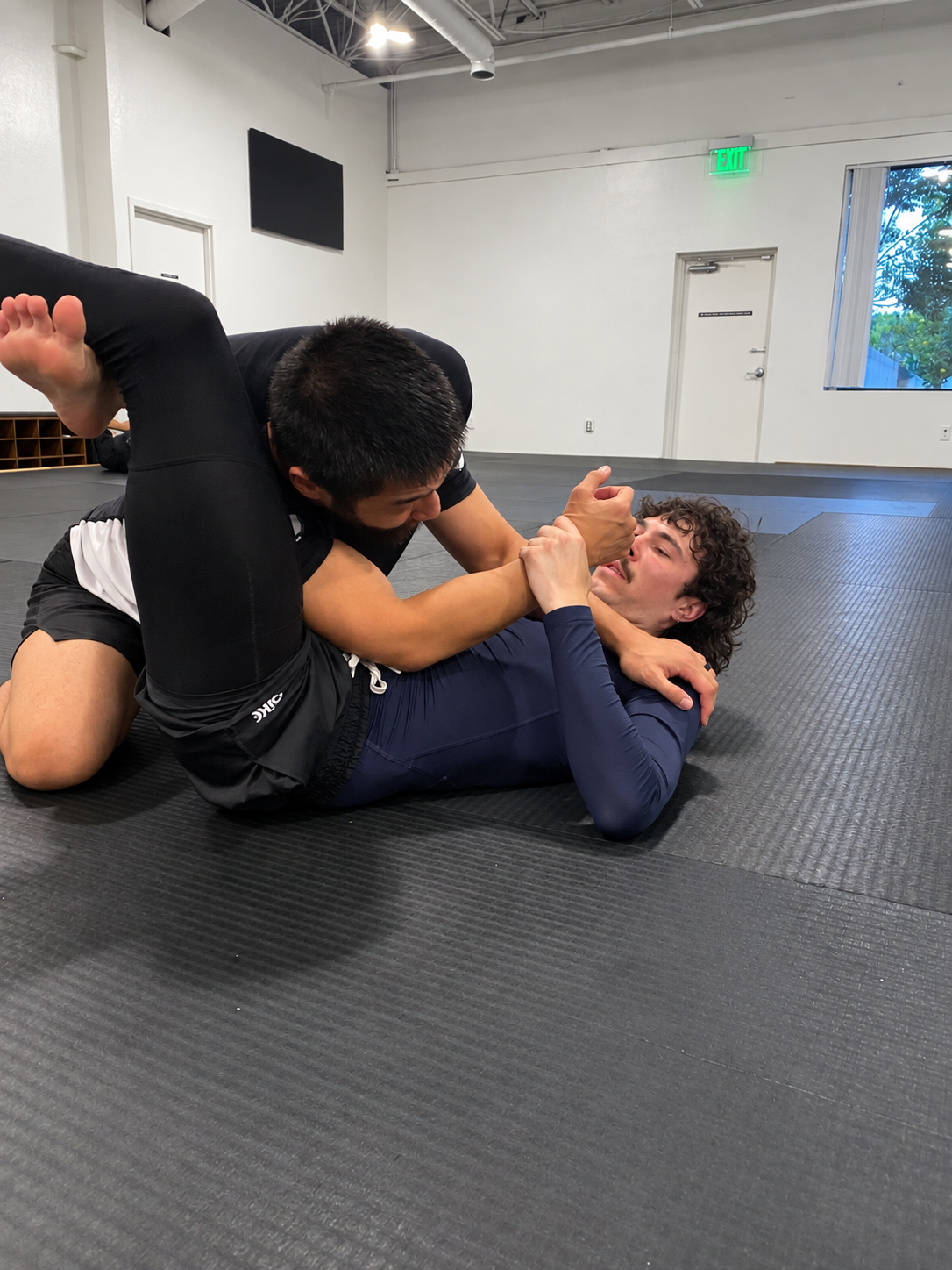
No-Gi training generally produces faster transitions and places greater emphasis on wrestling, body positioning, clinching, and controlling an opponent without clothing grips.
THE SHARED FOUNDATION
DIFFERENT GRIPS.
THE SAME ESSENTIAL SKILLS.
Balance, leverage, connection, pressure, movement, control, and decision-making carry across both formats. Students may emphasize the format they prefer, but training both can produce a more adaptable and complete grappler.
TRAIN WITH PURPOSE
YOUR TRAINING SHOULD
HAVE DIRECTION.
Whether you are building your foundation, returning after time away, or looking for a more systematic place to train, Corvus can help you make meaningful progress.